
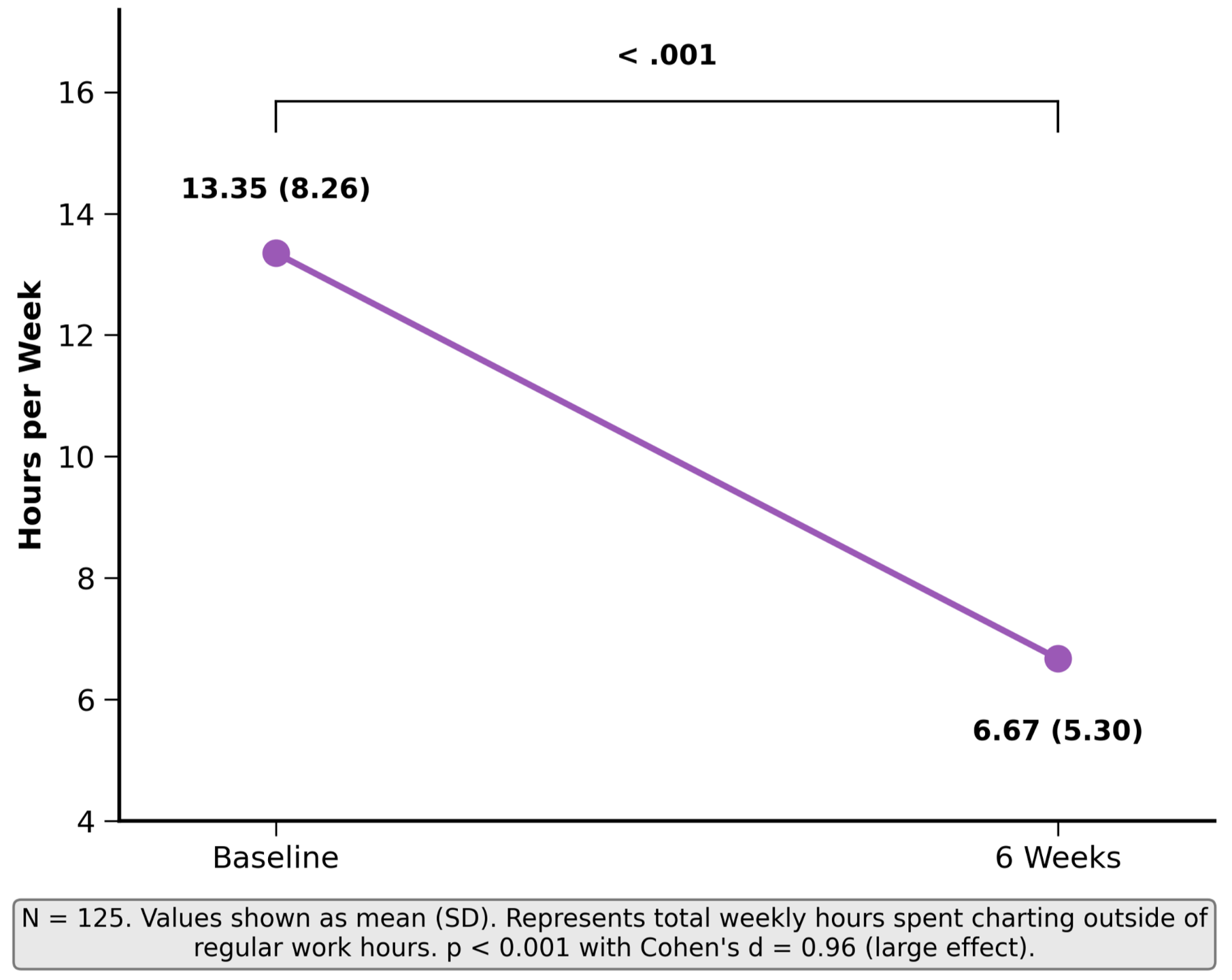
Physicians in this program cut their after-hours charting in half.
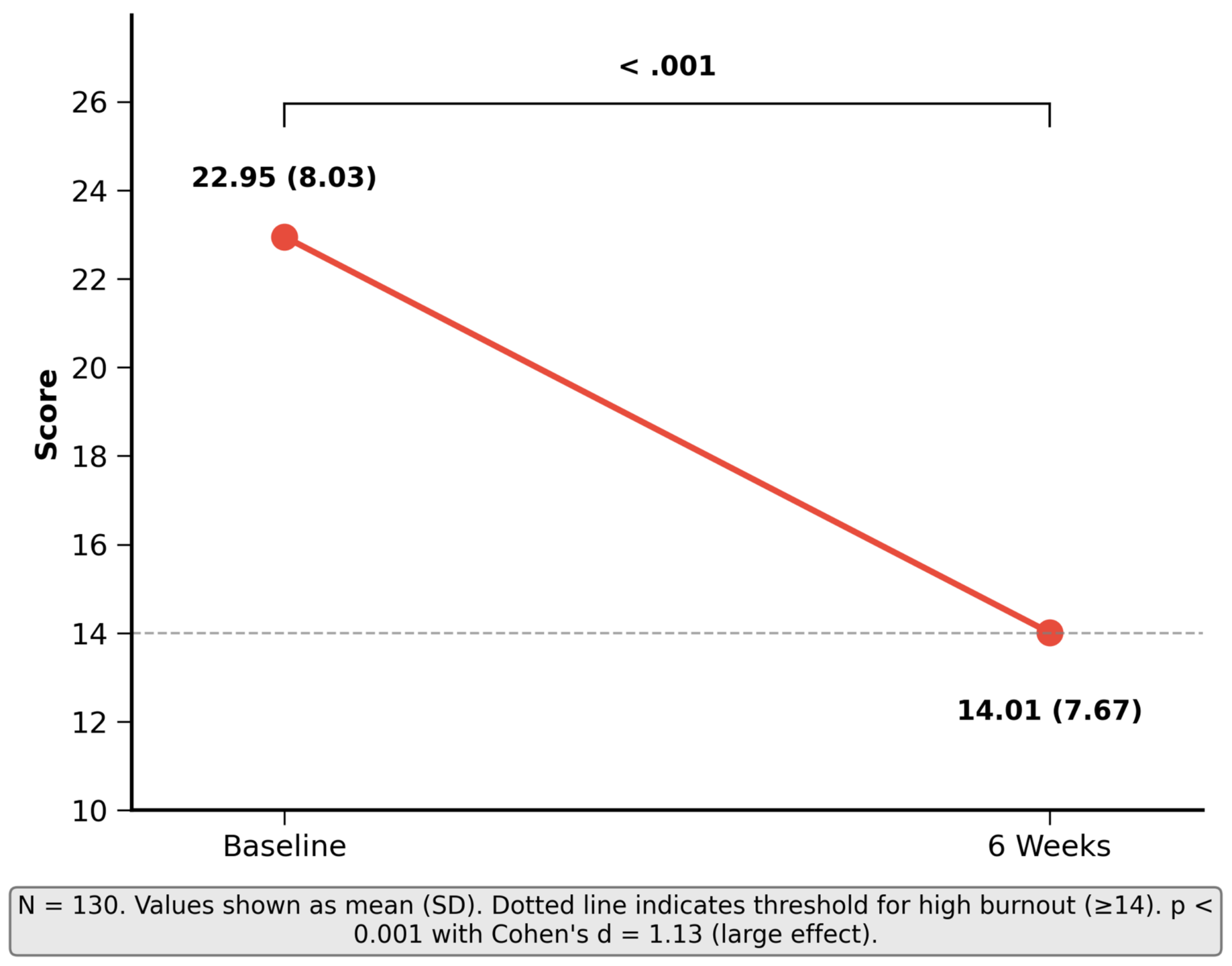
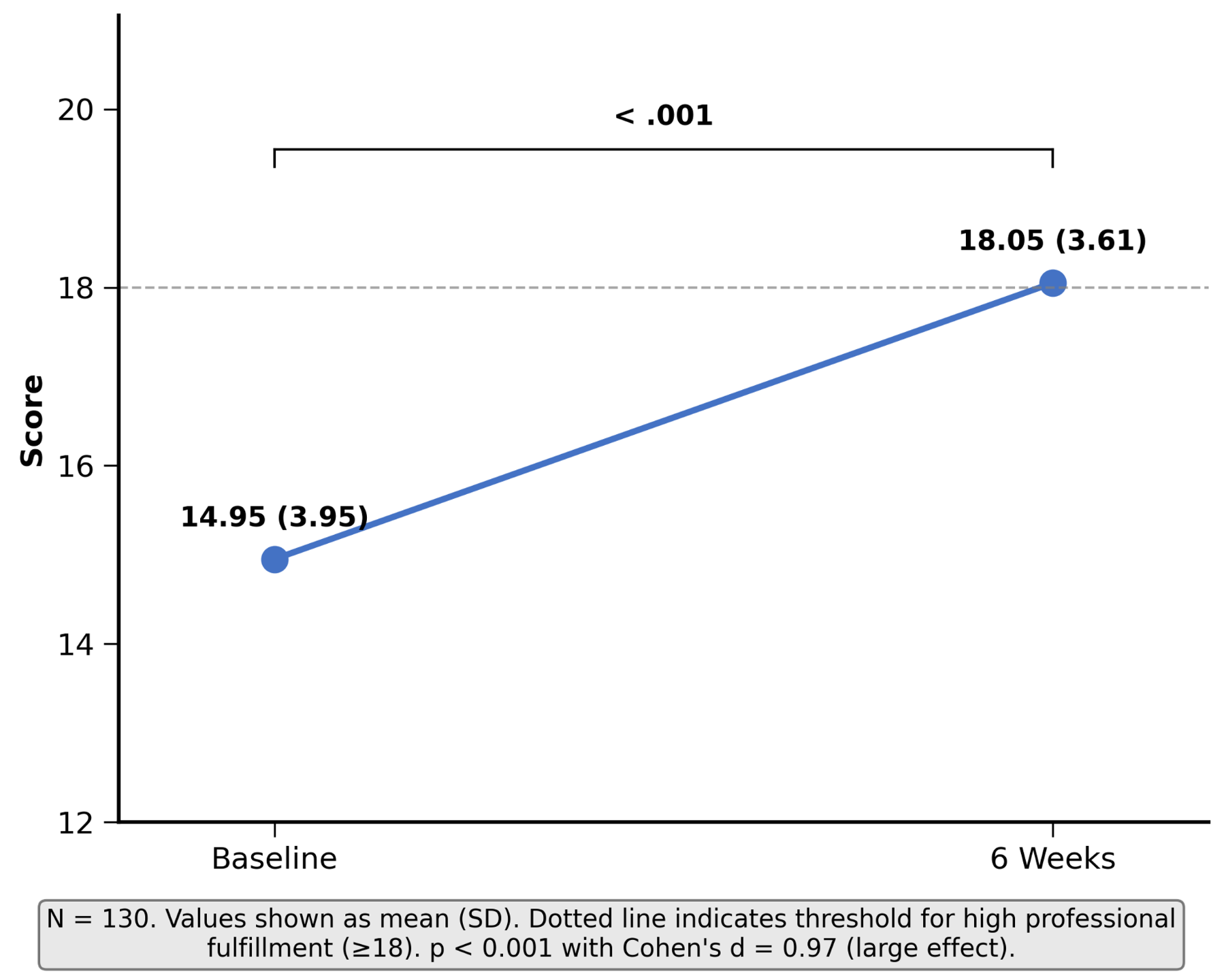
Pre-post paired analysis across 8 cohorts (2021–2024). Burnout and fulfillment measured with the Stanford Professional Fulfillment Index. All outcomes p < .001, Cohen’s d > 0.8.
13 AMA PRA Category 1 Credits™
Accredited through the Postgraduate Institute for Medicine. Most participants use CME or education funds — so this often costs nothing out of pocket.
Next cohort begins September 7, 2026.
Enrollment closes September 3 at 10:00pm CDT. 14-day full refund guarantee.
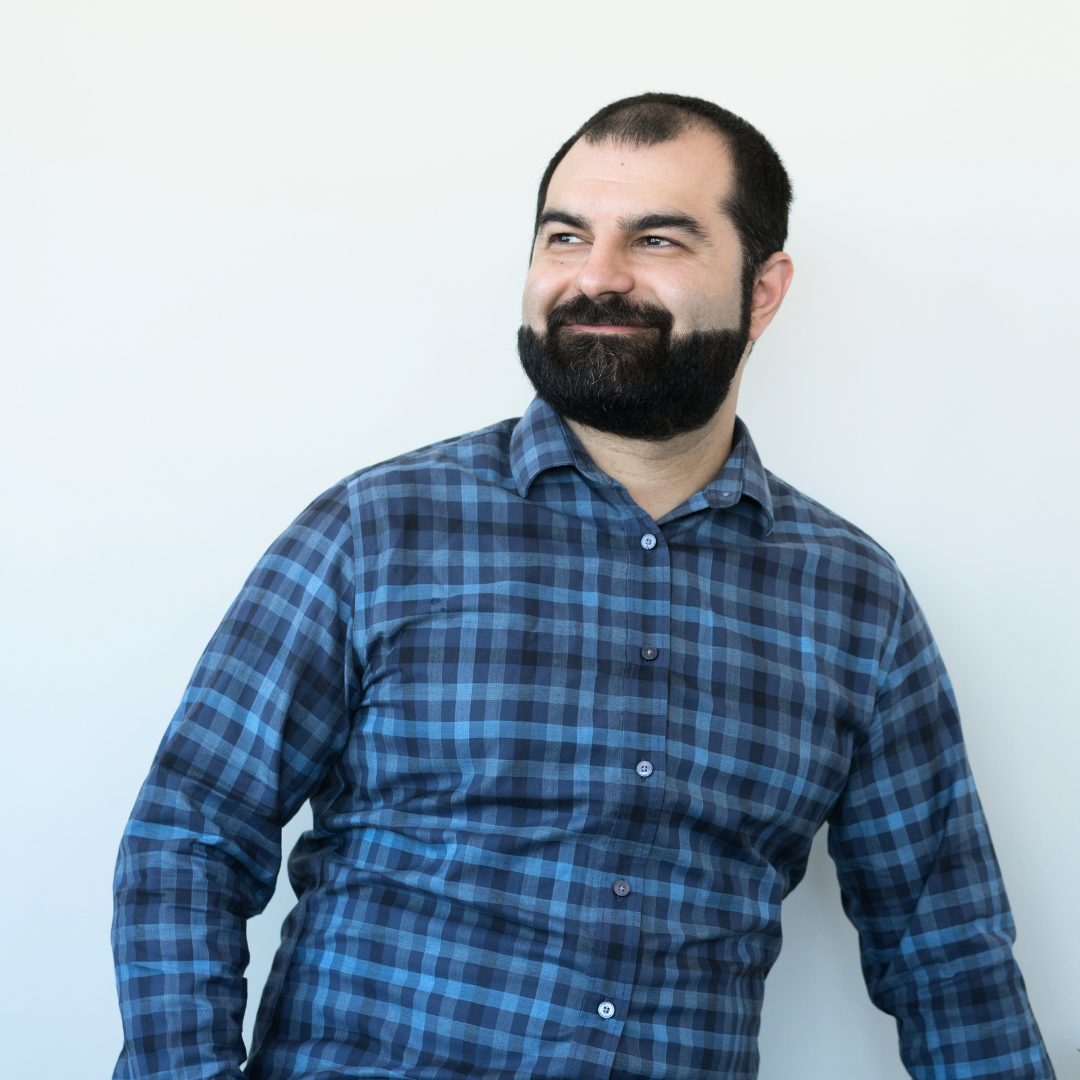
Dr. Junaid Niazi, creator of Charting Conquered®
00
DAYS
00
HOURS
00
MINS
00
SECS
You were never taught this
Most physicians’ charting problems arise from one of three impossible choices.
Document more, so you’re covered.
Document less, so you’re efficient.
There’s no version of the work that satisfies both, so you err longer, because longer feels safer.
Finish the note, or don’t keep the next patient waiting.
One add-on at ten, forty minutes down, and you never catch up. You leave each room meaning to finish in a minute and never get back to it, because a quick question pulls you into someone else’s chart while results and refills and portal messages compete for the same hour. Choosing right doesn’t even feel good—you finish the note and you’re still behind.
Fail your family, or fail your patients.
Either way, failure looks like the only option. And it follows you home. You can ban the laptop from the kitchen table and still be running the open list at nine at night.
None of this is a “you” problem, and none of it is a discipline problem.
Eighty-eight percent of the physicians and APPs who entered this program were already showing high burnout symptoms. Those are not people who needed to try harder.
There was no rotation on this. No attending sat down and showed you how to think about charting.
That’s where this program comes in. Here are the receipts.
"Leaving home this morning I said to my husband 'I will see you for dinner.' I looked for the smirk on his face as he knows how the siren call of our inboxes and the visit notes of the day keep us from our families."
— K.H., PA
Neurology
What happened to the physicians & APPs who did this
Pre-post paired analysis of N=125-130 participants across 8 cohorts, 2021–2024. Burnout and professional fulfillment measured with the Stanford Professional Fulfillment Index (PFI).
What this data is — and what it isn’t.
This is program evaluation data from self-selected participants. There is no control group and no randomization. Some of the improvement may reflect regression to the mean, or the motivation that led people to enroll in the first place
We report it anyway, with its limitations stated, because it is the most rigorous outcome data anyone in this category has—and because you were going to ask.
This is Not for Everyone
This is built for you if…
- You see patients in an outpatient setting and regularly take your work home
- You’re a physician or APP in any specialty, including PCPs, psychiatry, medical and procedural specialties, and surgical specialties
- You have a backlog. Several of our most successful participants started 200+ charts behind
- You’ve tried templates, dictation, or scribes and the problem came back
This is probably not for you if…
- You work primarily inpatient or in a procedural setting with minimal outpatient documentation
- You want an EHR shortcut or a template pack rather than a change in how you work
- You expect the solution to work without you having to engage and challenge ways you've done things in the past
- Your documentation burden is already manageable and you’re optimizing at the margins
Six Weeks, Three Phases, One Behavior Change
Modules release weekly. Live coaching every week. You apply it in your own clinic, with your own EHR, between sessions.
Weeks 1–2
Unlearn and reframe
Dismantle the beliefs about documentation that medicine taught you. The ones driving perfectionism, over-documenting, and defensive charting.
Weeks 3–4
Build your system
Note frameworks, inbox and refill workflows, decision and order patterns—designed around your specialty, your EHR, and your actual clinic day.
Weeks 5–6
Make it hold
Handle the failure modes—imposterism, forms, the day your MA calls out sick—so the system survives contact with a real schedule.
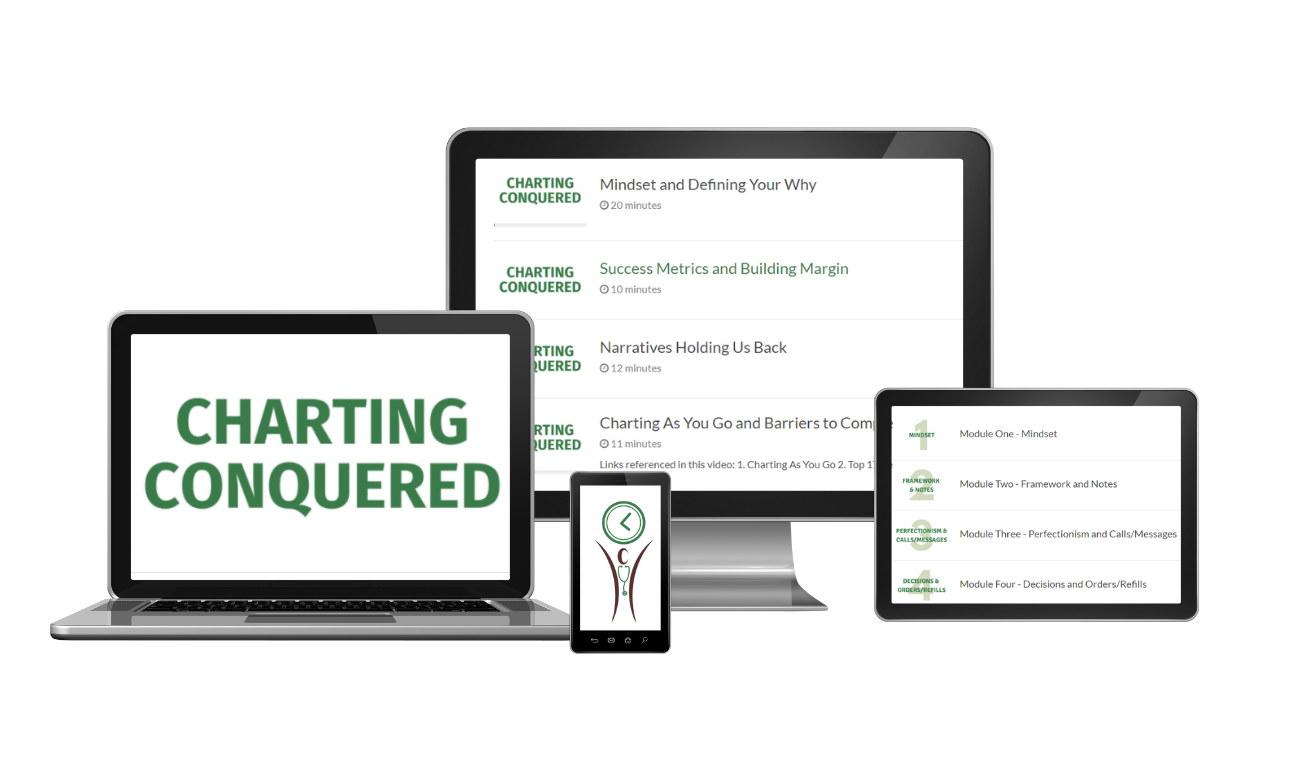
What’s included
- Six weekly modules (the complete Charting Conquered® system) on your schedule
- Six weekly live group coaching calls, plus replays
- Weekly virtual co-working sessions—set times & places to actually get the work done
- Private community for written coaching support from Junaid and your peers
- Custom ChartGPT AI tool for help at 2am, if 2am is when you're charting
- 13 AMA PRA Category 1 Credits™ (CME/CE)
- Lifetime access to all content for as long as the program exists
- Eligibility for the alumni program afterwards
Also included — each usually sold separately
- The Pre-Charting Sprint — the three-step system that takes 2–3 minutes per patient
- Templates & Scripts — the language and structures our members reuse daily
- Get Paid Training — closing charts faster means getting paid sooner
"My situation is different" — their's was, too
Across specialties and practice settings, in their own words.
“I was the reason I wasn’t closing my charts”
I’m outpatient peds, almost 9 years in practice in a rural health center with no pediatric colleagues for an hour in any direction. I see 18-22 on average. I’m also a medical director for the clinic.
I was ending the day with anywhere from 10-15 charts open. Once I’d start getting behind, there was no catching up and I stopped closing charts. Every day was ground hog day.
I WAS THE REASON I WASN’T CLOSING MY CHARTS. There was no one else and nothing else to blame.
I stopped whatever it was I would do to not close the chart (my avoidance behaviors) and did not move on to the next patient until the chart was closed. It takes a lot of mental stamina, but so much less than trying to close the chart later.
It’s been approximately 1 month… finishing most days with 0-3 charts open at the end of the day.
— Janae Barker, DO
Pediatrics

“I went from ‘better than most’ to a bit of a charting/EHR Jedi”
As an academic physician, I was walking around with a weight of uncompleted tasks instead of relishing the job I genuinely enjoy. Honestly, I worried I would be wasting money with Charting Conquered, but the class really, truly made me more efficient in clinic, with charts and inbasket.
It’s also made me efficient while inpatient—my service week during the course was the first time I left the hospital by 5PM with all notes, bills, and EEG reports done. My colleagues and even the trainees have noticed.
I have since added a twice a week weightlifting class in the very window of time I previously spent pre-charting!
— Dallas Armstrong, MD
Pediatric Neurology
“I can’t believe it took me this long to learn this”
I used to go through the day, save all charts for the end of the day and go through them/edit with my scribe, tacking on an extra 1-1.5 hours at the end of the day. Then I’d have to sign the notes.
But since your course, I end the day with all charts done! How freakingly amazing is that? I now get to go home and enjoy time with my family, not burdened by my tasks to do or charts waiting for me.
This is a real game changer! My little kids thank you, too.
— Ranee Lleva, MD
Endocrinology
Before the program: struggling to see 12 patients/day with a 400+ chart backlog; hiring babysitters to chart at home.
After: 16–18 patients/day, entire backlog cleared during the program, and her first work-free vacation.
“I finished my work at work today”
It felt absolutely incredible (and frankly, life changing) to not have the emotional weight of notes to write at the end of a tough day. When you are ready to change things, there’s less fear. I knew I had to trust this process to end this cycle.
For example, I finished my work at work today. That included notes, calls, refills, portal messages. I was home at 4:50p, which has never happened before!
I never realized medicine could feel so normal while taking such great care of patients.
— Anon., PA
Internal Medicine

“For the first time ever”
I am a transplant nephrologist who struggled with charting, often staying in clinic until 9–10pm to finish the day’s work.
I implemented some of the strategies in clinic. For the first time ever, I finished all of my notes in clinic before going home at 5:30pm!
— P.N., MD
Transplant Nephrology
“Other participants that are supportive and in ‘your shoes’”
I was terminated from my last job because I could not keep up and complete my notes in a timely manner. I love taking care of my patients, but felt like a failure for not being able to keep up.
I was on the fence about joining because I worried it would just be lectures with info I’d already read. But after the free training I realized this would be different.
There are many other participants that are supportive and in “your shoes.” I feel more confident starting my new job with a plan!
— Laura A. McGowan, DO
Internal Medicine
Most physicians don’t pay this personally
The program is accredited for 13 AMA PRA Category 1 Credits™ through the Postgraduate Institute for Medicine, which means it typically qualifies for your CME/CE or education allowance.
Email template and brochure for your employer →
If it doesn’t work, you don’t pay
Fourteen days — enough to complete the first two modules and attend two live calls. If it isn’t working for you, full refund, no questions asked.
"Where was Charting Conquered 25 years ago!?"
“I was so desperate for help and the cost appeared so high that I didn’t immediately buy the program. But the money-back guarantee helped me try it. I’ve increased my FTE status from 0.6 to 0.7 — and in the fall I may go to 0.8, since I’m spending less time at home working. I made up the cost of the program quickly.”
— Sheryl Fergusson, DO
Next cohort begins September 7, 2026. Enrollment closes September 3 at 10pm CT.
What your pajama time charting actually costs you
What it sounds like from inside
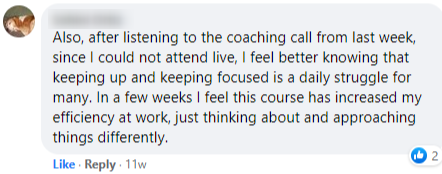
Unedited posts from inside the private group—the wins people share with each other, not with us.
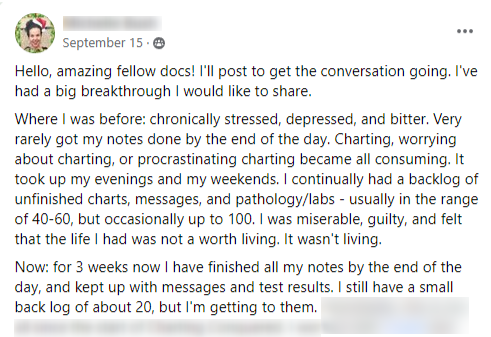
"Where I was before: chronically stressed, depressed, and bitter. Very rarely got my notes done by the end of the day. I continually had a backlog of unfinished charts, messages, and pathology/labs — usually in the range of 40-60, but occasionally up to 100.
Now: for 3 weeks now I have finished all my notes by the end of the day, and kept up with messages and test results. I still have a small back log of about 20, but I'm getting to them."
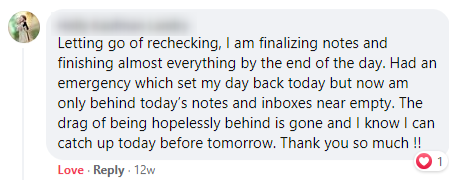
"Letting go of rechecking, I am finalizing notes and finishing almost everything by the end of the day. Had an emergency which set my day back today but now am only behind today's notes and inboxes near empty. The drag of being hopelessly behind is gone and I know I can catch up today before tomorrow."
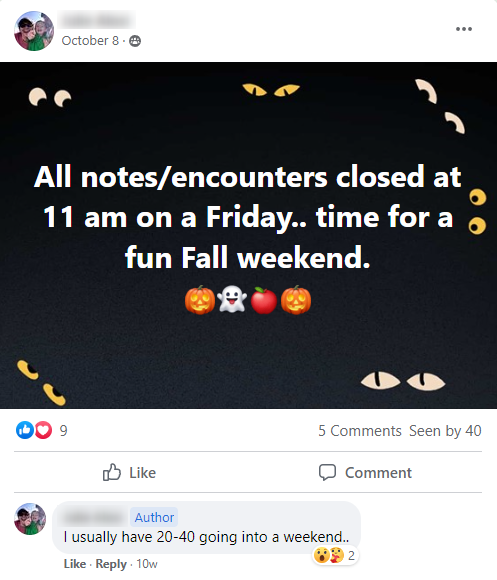
The questions that actually come up
Won't a shorter note get me in trouble?
I'm too far behind for this to help.
Does this work outside primary care?
My problem is the EHR, not my mindset.
I don't have time to add a six-week program.
Can I expense this?
How is the outcome data collected?
Still not sure whether this fits your situation?
Book a 15-minute call—no pitch, just answers.
Or email [email protected].
Why a practicing physician built this
Meet Your Coach
Dr. Junaid Niazi

Dr. Junaid Niazi is a practicing primary care physician, dual board-certified in Internal Medicine and Pediatrics, and an Ambulatory Information Services Medical Director—the role responsible for making the EHR work for the clinicians using it.
He trained at Baylor College of Medicine, holds an MPH from the University of Texas, and has been in practice since 2016. He is also a certified coach through the Life Coach School.
He spent his early years charting every evening and weekend, and wanted something different. Something better. So he built this system to stop. He has since taught it to more than 600 physicians and APPs.
Charting Conquered® exists so that no physician or APP leaves medicine because of charting & administrative burdens.
What surprised them
The outcome data is above. This is what it felt like.
“You proved to me that even charting is ‘figure-out-able’”
I wondered if I would get much out of it, however, I had a significant improvement in my charting and job satisfaction—above my expectations.
I was surprised how “deep” it went. You invited us to get at the root of our perfectionism and imposter syndrome.
This is the 10 year anniversary of my EHR, and it will finally be serving me, not beating me.
If you’re on the fence about joining, ask yourself “How long do you want to stay miserable?”
— Nancy Hagloch, MD
Obstetrics & Gynecology

“I am no longer living to work”
This course forced me to stop trying to be all things for all the patients all the time. The best part is the forced introspection.
I have renewed energy and a life with my family. You have saved my mental & emotional space. I am no longer living to work. I am learning how to work to live.
Change is always hard but this program will walk you through your difficulties in ways that will surprise you. Open yourself up and give it a shot.
— Michael F. Lorich, DO, MPH
Family Medicine

“I wasn’t enjoying my work”
I was already closing most of my charts by the end of the day, but I realized I wasn’t enjoying my work.
Actually being able to leave my computer at work has been great. I’m not having to think about work when I’m at home.
You can’t put a price on leaving work at work and being present for family.
— Justin Yee, MD
Pediatrics
“You have nothing to lose and only your time to gain!”
Before the program, I had no time for relaxation, seeing friends, or getting involved in the community. I had endless charting and was staying up too late to get them done.
I was not comfortable being coached online in front of others. The format of the calls allowed me to participate to my comfort level.
I’m now completing my charts right after I see the patient most of the time! If you’re considering the program, go for it.
— Donna Wagstaff, MD
Family Medicine
Get today’s charting done today.
Six weeks, 13 CME/CE credits, and a full refund within 14 days if it isn’t working. Next cohort begins September 7, 2026 — enrollment closes September 3 at 10:00pm CDT.
Enroll — $3000 or $1000/mo00
DAYS
00
HOURS
00
MINS
00
SECS
Continuing Medical Education (CME) Information
Accreditation: In support of improving patient care, this activity has been planned and implemented by the Postgraduate Institute for Medicine and Prosperous Life MD, LLC. Postgraduate Institute for Medicine is jointly accredited by the Accreditation Council for Continuing Medical Education (ACCME), the Accreditation Council for Pharmacy Education (ACPE), and the American Nurses Credentialing Center (ANCC), to provide continuing education for the healthcare team.
Designation: The Postgraduate Institute for Medicine designates Charting Conquered® for a maximum of 13 AMA PRA Category 1 Credit(s)™.
Nursing: The maximum number of hours awarded for this Continuing Nursing Education activity is 13 contact hours.
Participants should claim only the credit commensurate with the extent of their participation in the activity.